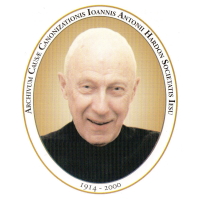
In this foundational lecture from his Introduction to Catholic Morality series, Father John Hardon provides a clear and rigorous overview of the virtues, essential powers given by God to enable us to perform good actions and attain our eternal destiny (1:26).
The Nature of Virtue
Father Hardon defines a virtue as a spiritual power—a quality that allows a person to perform actions that are both pleasing to God and directed toward our final end. He distinguishes between two primary origins of these powers:
- Acquired Virtues: Developed through the consistent repetition of good acts, creating a facility, ease, and even joy in performing them (7:05).
- Infused Virtues: Supernaturally poured into the soul by God, particularly at the moment of baptism (6:27, 29:58).
The Hierarchy of Virtues
Father Hardon emphasizes the importance of both the theological and moral virtues, explaining how they work in concert to perfect the human person:
- Theological Virtues (Faith, Hope, and Charity): These are infused virtues directed immediately toward God. They reside in the mind and the will; specifically, faith is in the mind, while hope and charity are in the will (12:25).
- Moral Virtues (Prudence, Justice, Fortitude, and Temperance): Often called the cardinal virtues, these are the foundation of the moral life. They can be acquired by effort, but also received through the grace of the sacraments (11:15, 32:00).
Key Takeaways on Growth and Preservation
- The Necessity of Practice: Even infused virtues must be practiced, or they risk weakening and being lost (26:19).
- The Primacy of Faith: Father Hardon underscores that faith is the foundation of the entire spiritual life. Without faith, there can be no true hope or charity (13:24, 31:12).
- The Danger of Mortal Sin: Mortal sin is a grave threat to the life of virtue, as it immediately deprives the soul of the virtue of charity (50:10).
Father Hardon concludes this session by beginning a detailed look at the virtue of faith, reminding us that it is not merely a feeling, but a firm intellectual assent to the truths revealed by God through the authority of the Church (57:48).