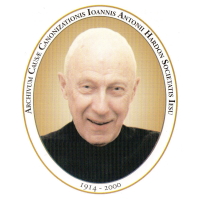
In our modern world, the word "conscience" is often misused to justify personal whims or subjective desires. However, for the faithful Catholic, conscience is not merely a feeling; it is a critical moral function of the mind. In this profound talk, Father John Hardon, S.J., provides an essential guide to understanding, training, and living by a true and informed conscience.
What is Conscience?
Father Hardon defines conscience as a judgment of the practical intellect (7:50). It is the mind’s ability to apply objective moral principles to our actions—whether those actions are in the future, the present, or in the past (14:18). Importantly, he distinguishes this from Immanuel Kant’s subjective philosophy, which equates conscience with individual free will. For Catholics, a true conscience must be enlightened by divine faith and reality, not just our own preferences (5:22).
The Duties of the Faithful
To live a holy life, we are tasked with three primary duties regarding our conscience:
- The Duty to Form: We have a grave obligation to develop a true and correct conscience through the study of the Faith, wise counsel, and prayer (55:04).
- The Duty to Follow: Once informed by the Church’s teaching and objective truth, we are obliged to follow our conscience, as it directs our decisions toward God’s will (1:05:06).
- The Duty to Correct: We may never act on a conscience that is in "invincible ignorance." We must actively seek to correct any errors in our thinking (1:07:19).
Practical Remedies for a Healthy Soul
Father Hardon emphasizes that the world is "hellbent" on shaping our consciences in ways contrary to God’s will (45:00). To protect our minds, he recommends:
- Daily Examination of Conscience: Regularly looking back at our actions to evaluate if they were truly good (37:13).
- Frequent Sacraments: Regular Confession and Holy Communion are the most powerful ways to receive the light of Christ to see our sins clearly (1:03:53).
- Prudent Associations: Being mindful of the media we consume and the company we keep, as these profoundly shape our moral compass (1:13:37).
By staying rooted in the Church’s teachings and cultivating a spirit of prayer, we can ensure our minds remain clear and responsive to the promptings of the Holy Spirit.